
Can Couples Therapy Help If Only One Partner Wants to Go?
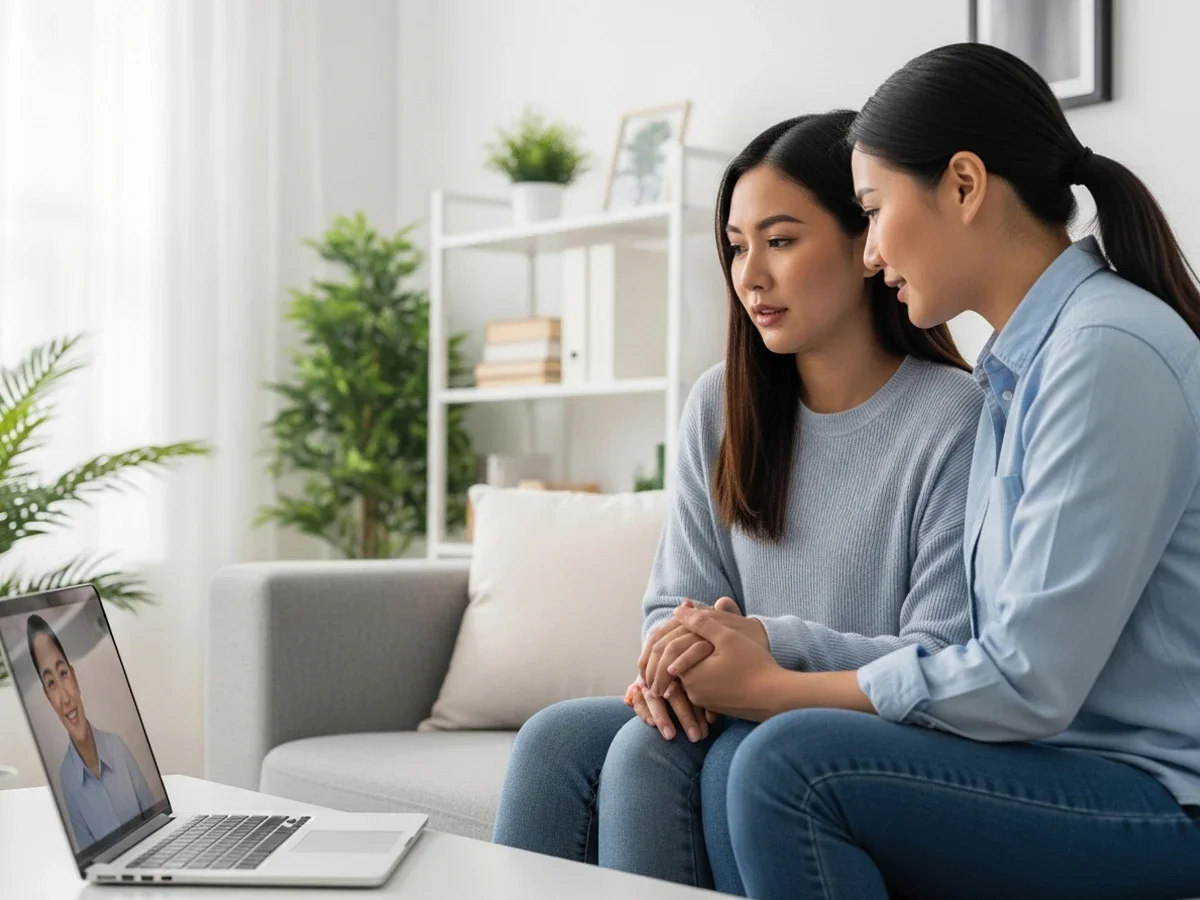
What happens when you know your relationship needs support, but you are the only one willing to seek couples therapy?
It might be difficult and lonely when you want help in your relationship, but your spouse doesn't want to. You can notice that the emotional distance is developing, that the same disagreements keep coming up, or that you have a quiet feeling that something needs to be dealt with before it escalates into anger. It's normal to wonder if going to couples therapy alone can really help when you're the only one who is willing to do it. The truth is that not all big changes start with two people at the same moment. It can start with the person who is willing to look more closely.
Why One Partner Often Wants Therapy First
People in relationships tend to go at their own pace, depending on how ready they are to deal with things, not on how logical it seems. So, one partner could suffer the burden of a communication breakdown or unsolved tensions that won't go away, while the other partner thinks everything is good. Or they might just think that therapy won't help.
But asking for help doesn't mean you're weak; it means you know yourself. That's a terrific location to start making serious changes. Couples therapy usually begins with one person realizing what isn't working in the relationship. And that alone can be the start of something very good.
If you want to explore how relationship work can help partners reconnect and understand one another more deeply, check out Couples Therapy: How Relationship Counselling Helps Partners Reconnect for more insights on shared progress.
What Couples Therapy Looks Like When Only One Partner Attends
When only one partner goes to couples therapy, the focus changes a little. The therapist isn't trying to "fix" the relationship in a direct way. They want to learn more about the patterns, triggers, and ways of communicating that make up the partnership.
A competent therapist doesn't try to fit problems into a neat little box. Instead, they look at how people tend to act in their relationships and how even little adjustments in one person's behavior can affect the whole system.
You might be able to acquire some solid answers to questions like
Why do certain conversations always escalate?
Why do you shut down or overexplain?
Why does resentment keep resurfacing?
What you actually need versus what you keep asking for?
Once you get a better sense of these kinds of things, it can make a big difference in the way you communicate with your partner and how often you get into angry outbursts.
It also helps to understand your own mental health landscape when working through these issues. Articles like Depression Counselling: What to Expect and How Therapy Supports Long-Term Healing and How an Anxiety Therapist Helps You Manage Stress, Panic & Daily Overwhelm can provide context on how individual emotional health connects with relationship patterns.
Can One Person’s Growth Really Affect the Relationship?
Couples therapy can really open people's eyes. Relationships are like complicated emotional ecosystems. When one person changes their habits or behavior, the whole system has to alter too. This could be as simple as stopping some of the old, typical ways of reasoning that seem to run in circles.
Or it could be as simple as being more honest about what you want and need in a conversation without feeling bad about it. Your partner will usually notice these changes over time, even if they can't exactly put their finger on what it is.
When Online Couples Therapy is a Good First Step
For couples, if one individual doesn't want to go to typical therapy sessions, online couples therapy might be a great option. Some people are far more comfortable working from home as long as they think the tone will be helpful and not hostile. And that's because it makes it easier to obtain therapy by getting rid of some of the practical barriers, like needing to go to a therapist's office and wait with your partner.
Therapists can also be more flexible with online sessions. For example, a couple might start with one-on-one sessions that only focus on their relationship and then go on to joint sessions when they are ready.
What Couples Therapy Can and Cannot Do in This Situation
Couples therapy can help couples understand each other better, control their emotions better, and talk to each other in healthier ways. Couples therapy can help you figure out if you are asking for acceptable change or making too many concessions. It can also give you the confidence to have tough conversations that could come up.
Therapy cannot compel an adult to change or engage. So, metimes the best thing that may come from therapy is figuring out what you can and can't control.
Is It Still Worth It If Your Partner Never Joins?
Indeed. Even if your partner never goes to therapy, the things you learn can help you avoid repeating unpleasant patterns for years. A lot of people say that therapy helps them be more honest, create better boundaries, and make choices based on trust in themselves rather than just hope.
Couples therapy should never be considered as a last resort; instead, it should be a chance to think about relationships in new ways that you never would have thought of before.
Frequently Asked Questions
-
Yes. While joint sessions are ideal, individual participation can still lead to meaningful changes in communication, boundaries, and emotional awareness that affect the relationship as a whole.
-
No. Ethical therapists focus on understanding relationship dynamics rather than assigning blame. The goal is insight and growth, not validation at the expense of fairness.
-
Online couples therapy can be very effective, especially as a starting point. It offers flexibility, privacy, and a lower-pressure way to begin addressing relationship concerns.